
Axolotls are carnivores. Earthworms are a top staple for many adult axolotls, with quality pellets as a useful supplement.
What it means for keepers
This question is part of food choice, feeding frequency, appetite and leftovers. For beginners, the practical answer matters more than a cute social-media example. Axolotls can appear calm even when a tank is not safe, so decisions should be based on measured water conditions, the animal’s behavior over time and conservative husbandry.
Quick checklist
- Use appropriately sized foods and remove leftovers quickly.
- Adjust feeding by age, temperature and body condition.
- Do not rely on foods that foul water or lack nutrition.
A good feeding plan also protects water quality. Feed only what the animal will eat, remove leftovers quickly, and avoid foods that break apart into the substrate. If appetite suddenly changes, check temperature and water readings before assuming the axolotl has become picky.
For most adult axolotls, earthworms are the most practical staple because they are nutritious, soft enough to swallow when sized correctly, and less messy than many treat foods. Pellets can be useful, but they should be high-quality sinking carnivore pellets and removed if ignored. Bloodworms are best treated as a juvenile food or occasional treat rather than the whole adult diet.
Best diet in practice
In practice, the best staple diet for most adult axolotls is earthworms — nutritious, well-accepted and easy to source from pesticide-free suppliers — supplemented with high-quality sinking carnivore or axolotl pellets. Axolotls are carnivores that hunt by suction, so they need meaty, protein-rich, sinking foods rather than plant matter or floating flakes. Bloodworms are useful for juveniles or as an occasional treat but are not an ideal sole diet for adults. Match food size to the animal — nothing wider than the space between its eyes — to avoid choking and impaction, and skip ordinary tropical fish food, which does not suit a carnivorous amphibian.
The best foods, one by one
Not every meaty food is equal for an axolotl. Here is how the common options actually compare:
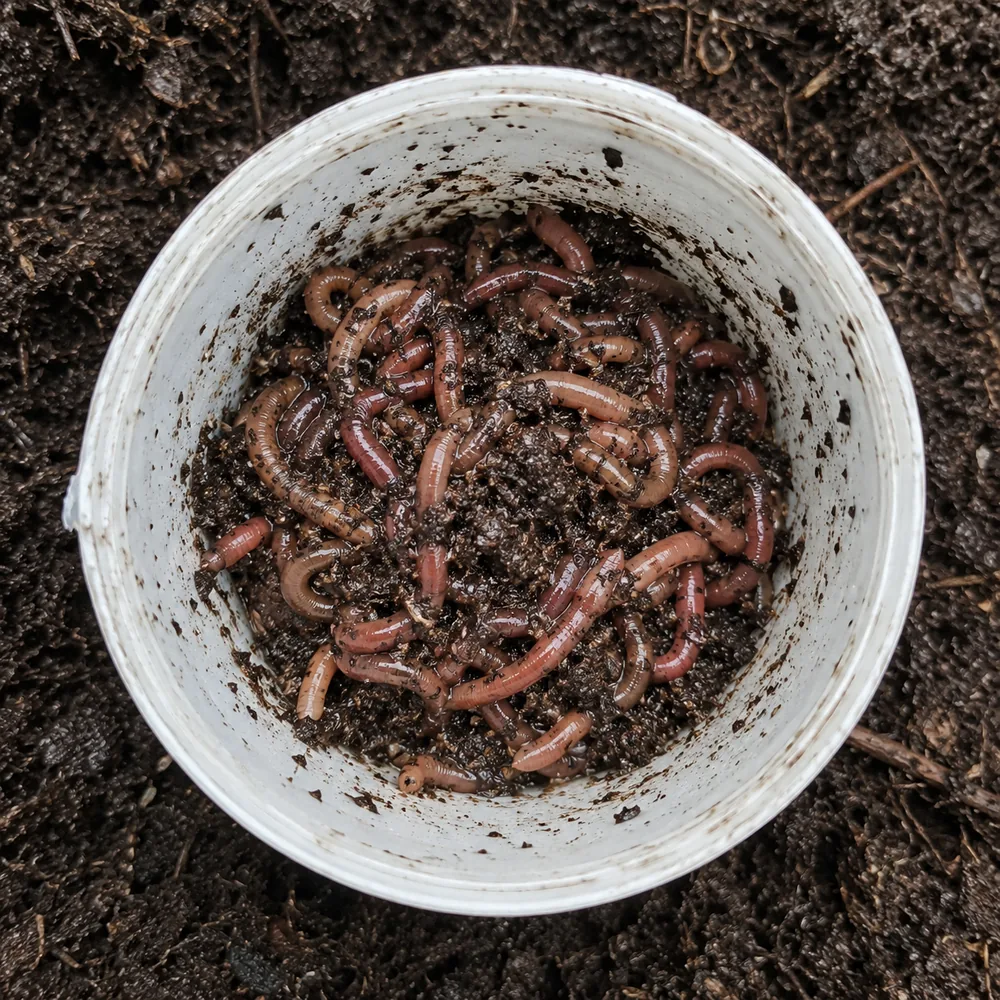
- Earthworms (the staple). Nightcrawlers and similar earthworms are the single best everyday food — nutritionally complete, soft, and readily accepted. Use a pesticide-free source such as a bait or worm supplier, or your own worm bin, rather than garden worms that may carry chemicals. Cut larger worms to a safe size.
- Sinking carnivore pellets (convenient staple). Good-quality soft, sinking axolotl or carnivore pellets are a practical everyday food when worms are inconvenient. They store well and keep the diet consistent — just remove any left uneaten.
- Blackworms (good for juveniles). Live blackworms suit growing juveniles and picky eaters, though they need clean handling so they do not foul the water.
- Bloodworms (treat or young food). Frozen bloodworms are ideal for babies and juveniles and work as an occasional adult treat, but are not a complete adult staple on their own.
- Baby brine shrimp & daphnia (for hatchlings). Newly hatched axolotls need tiny live foods such as baby brine shrimp and daphnia before they can manage worms or pellets.
What not to feed an axolotl
Some foods are risky enough to avoid entirely:
- Feeder fish. They commonly carry parasites and disease, can contain thiaminase (which blocks vitamin B1), and the wrong species can injure the axolotl. Most experienced keepers avoid them.
- Hard-shelled insects like mealworms. Their tough exoskeletons are hard to digest and can contribute to impaction.
- Wild-caught anything. Garden worms, wild insects and wild-caught shrimp can carry pesticides or parasites.
- Mammalian and fatty meats. Beef, chicken and similar meats do not suit an axolotl's digestion and are not a safe staple.
- Human or processed food, flakes and floating pellets. Ordinary tropical fish flakes and human food do not suit a carnivorous, bottom-feeding amphibian.
- Anything too large. No food should be wider than the space between the axolotl's eyes, to avoid choking and impaction.
Common mistakes
The most common feeding mistakes are overfeeding, offering pieces that are too large, relying on bloodworms alone for adults, and keeping gravel that gets swallowed along with the food. Feed to body condition rather than a fixed amount, size every food to the animal, vary a worm-and-pellet staple, and remove leftovers promptly to protect water quality. When advice online conflicts, choose the option that gives the animal cleaner water and less stress.
"Can axolotls eat…?" quick answers
A handful of foods come up again and again:
- Shrimp? Small, appropriate shrimp can be an occasional food, but choose carefully — see the full answer on shrimp.
- Bloodworms? Yes, mainly for young axolotls or as a treat — see bloodworms explained.
- Pellets? Yes, if they are sinking carnivore pellets — more in can axolotls eat pellets.
- Human food or vegetables? No. Axolotls are strict carnivores and cannot digest plant matter or processed food.